


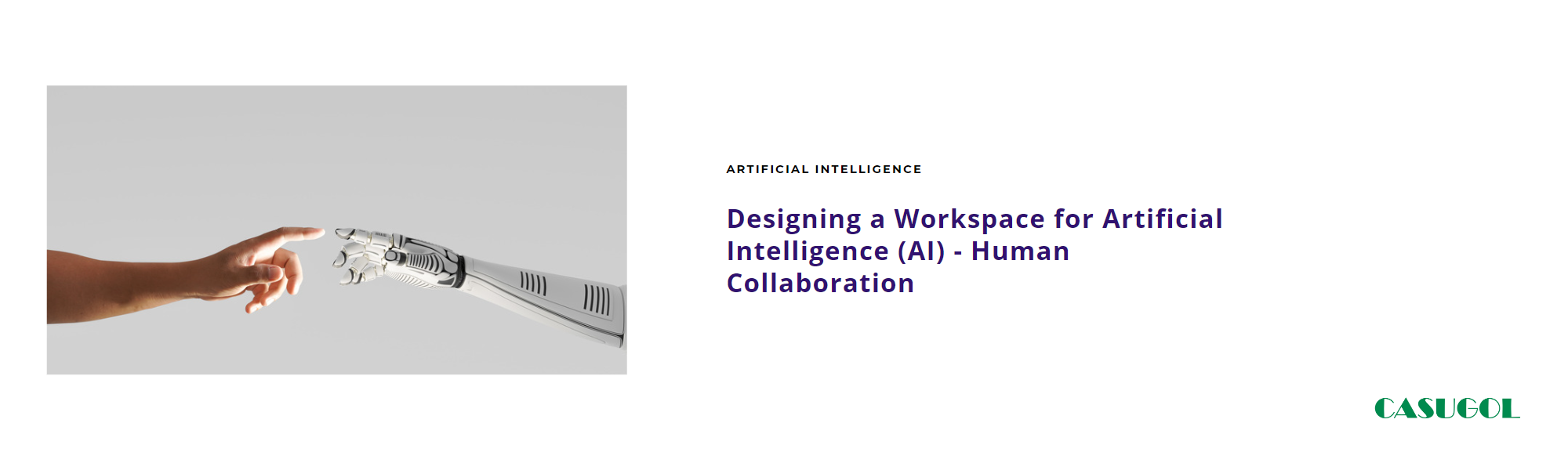
Designing a workspace that fosters effective collaboration between AI systems and human workers is crucial in harnessing the full potential of artificial intelligence. As AI becomes increasingly integrated into various industries, creating an environment that supports seamless interaction between humans and AI is essential for maximizing productivity, efficiency, and innovation.
An AI-human collaborative workspace should prioritize clear communication channels. Effective communication is key to ensuring that AI systems and human workers understand each other’s capabilities, limitations, and objectives. Clear and transparent communication channels, such as dedicated messaging platforms or project management tools, enable real-time information exchange, feedback sharing, and coordination. This facilitates a shared understanding of tasks, promotes collaboration, and minimizes misunderstandings or misinterpretations between human and AI counterparts.
The workspace design should enable easy access and integration of AI tools and technologies. Seamless integration of AI systems into the workflow ensures that they can effectively support human workers in their tasks. This may involve providing easy-to-use interfaces or APIs that allow for smooth interaction between humans and AI. By removing technical barriers and simplifying the process of accessing AI tools, the workspace encourages active engagement with AI technology and promotes collaboration between human workers and AI systems.
The physical layout of the workspace should be designed to facilitate interaction and collaboration between humans and AI. For instance, incorporating shared spaces where human workers can collaborate with AI systems, such as interactive screens or virtual reality environments, can enhance the synergy between humans and AI. Additionally, providing ergonomic workstations and physical spaces that accommodate the needs of AI systems, such as server racks or specialized hardware, promotes efficient collaboration and ensures the smooth functioning of AI-human workflows.
Workspace design should also prioritize continuous learning and skill development. AI technology evolves rapidly, and human workers need to stay updated with the latest advancements. Incorporating dedicated areas or resources for training, workshops, and knowledge sharing on AI-related topics helps foster a learning culture. This enables human workers to acquire the skills and knowledge necessary to effectively collaborate with AI systems and leverage their capabilities for improved performance and innovation.
Building trust in AI systems is crucial for effective collaboration. Organizations can achieve this by providing transparency in AI decision-making processes, ensuring explainability of AI algorithms, and enabling human workers to contribute to the development and improvement of AI systems. Encouraging an environment where human workers feel empowered to collaborate with AI, ask questions, and provide feedback promotes a sense of ownership, strengthens the partnership between humans and AI, and fosters a collaborative and productive workspace.
By prioritizing clear communication channels, easy access to AI tools, physical and virtual environments that foster interaction, continuous learning opportunities, and a culture of trust and collaboration, organizations can create a workspace that maximizes the benefits of AI-human collaboration. Such a workspace encourages innovation, efficiency, and productivity, enabling humans and AI systems to work together harmoniously and achieve shared goals.
Related Events
We want to make sure you feel great about starting your learning journey with us.
Chat with an Education Officer