By applying AI techniques and algorithms in Python, businesses can automate repetitive tasks, optimize processes, and make data-driven decisions. See you in Bangkok, Thailand, from 3 to 5 Jul 2023.
Certified Enterprise AI Professional (CEAI)
$680.00–$780.00Price range: $680.00 through $780.00
Explore Python for Enterprise AI, using its libraries to build Machine Learning, Deep Learning, NLP, and Computer Vision solutions. Engage in practical, real-world exercises to transform AI concepts into strategies and applications that drive enterprise-scale innovation.
Demonstrates a High Level of Expertise and Proficiency in Applied Artificial Intelligence (AI)
Global Recognition
Networking Opportunities
Career Advancement
Job Opportunities in the Digital Economy
Increase Earning Potential
Develop a strong foundation in AI technologies and critical thinking skills,
Pre-requisite
No pre-requisite. Suitable for everyone with and without prior technology experience.
Who Should Attend
Business Leaders, System Analyst, Technologist, System Engineer, IT Professionals, Consultants, Statisticians, Software Developers, Business Process Outsourcing (BPO) Professionals, Anyone interested in acquiring knowledge and skills in Artificial Intelligence (AI) or Machine Learning
Course Objective
Acquire advanced knowledge and skills on developing Artificial Intelligence (AI) models in Artificial Intelligence (AI) technologies and its application beyond just operating GEN AI tools.
Learn how to use Python Programming x GEN AI for Machine Learning, Deep Learning, Natural Language Processing (NLP) and basic computer vision.
Course Overview
The adoption of Artificial Intelligence (AI) is expected to increase in the digital economy. Businesses are prioritizing the industrialization and professionalization of Artificial Intelligence (AI) initiatives to enhance operational efficiency and predictability. From the tackling of financial fraud and solving manufacturing automation problems to e-commerce recommendation systems. Applied Artificial Intelligence (AI) is expected to become mainstream, disrupting almost all industries and verticals.
Duration: 16 Hours
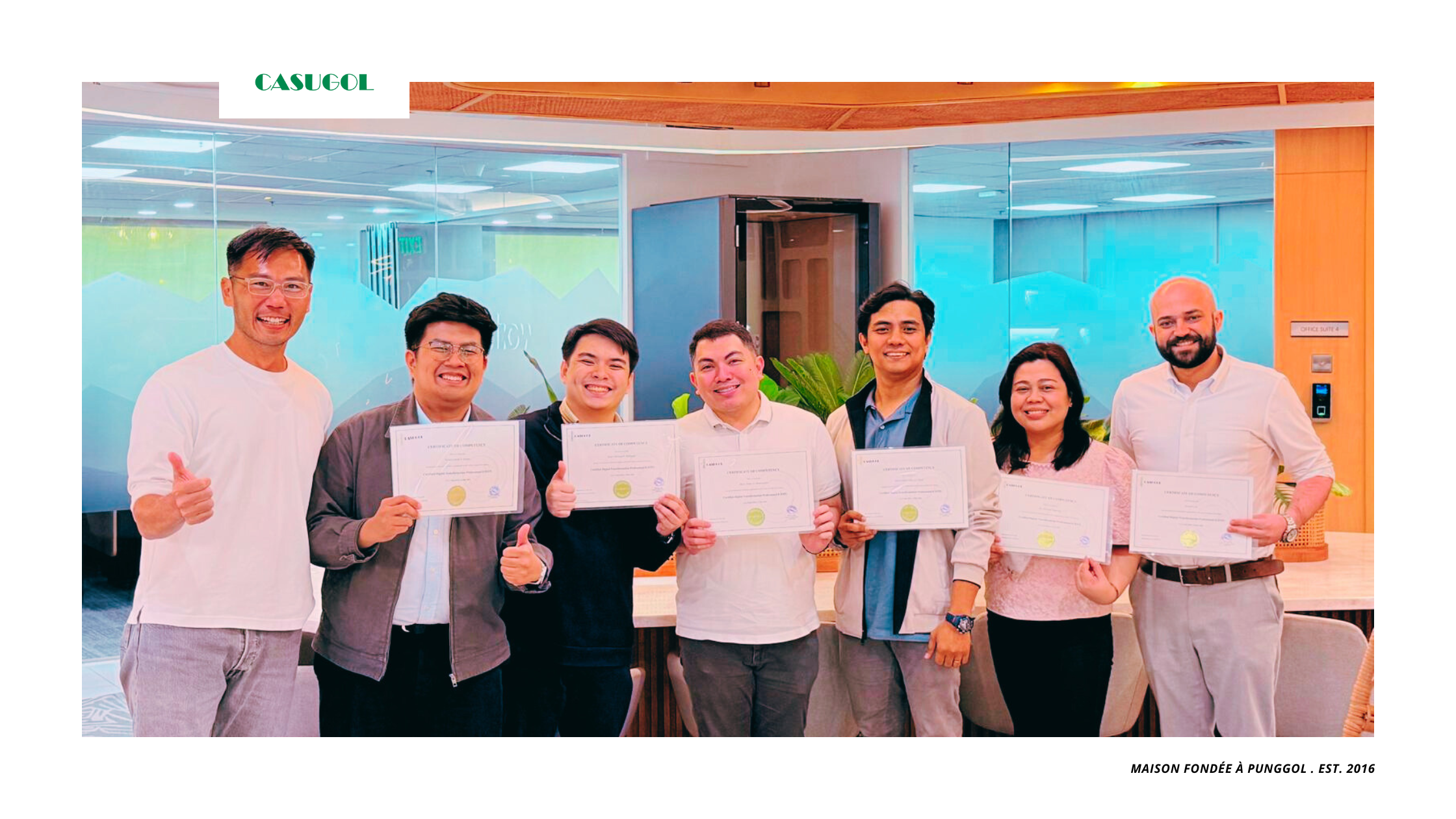
Certification: Participants will receive a Certificate of Competency upon completing the course and passing the examination
Course Outline
Module 1 – Introduction to Applied Artificial Intelligence
What is Applied Artificial Intelligence?
Understanding the Concepts of Artificial Intelligence
Real World Applications of Applied Artificial Intelligence
Relationship Between Data Science and Artificial Intelligence
Introduction to Machine Learning, Deep Learning, and Neural Networks
Data Management and Governance for Artificial Intelligence
Module 2 – Deep Dive into Python Programming
Introduction to Python Editors and IDE
Basic Programming Rules in Python
Understanding Variables in Python – Integers, Float, and Strings
Conditional Operators and Control Loops in Python – If, Else if, For, While
Packages / Libraries in Python for Artificial Intelligence – NumPy, Pandas, SciPy, Scikit-Learn, MatPlotLib
Module 3 – Data Pre-processing and Cleaning for Applied Artificial Intelligence
Understanding the Different Types of Data
Reading and Writing Data from Various Sources
Data Preparation for Pre-processing and Cleaning
Techniques for Data Manipulation using Python Tools
Data Formatting, Normalization, and Data Encoding
Module 4 – Machine Learning Regression, Classification, and Clustering Techniques
Introduction to Regression Modelling
What is a Linear Regression Model, Multiple Linear Regression Model and Logistic Regression Model
Model Validation, Prediction and Refining of Regression Models
Key Components of Classification Models in Machine Learning
Difference Between Supervised vs. Unsupervised Classification
Classification Techniques – Decision Tree Classification, Random Forest Classification, and Naïve Bayes Classification
What is Clustering Analysis
Introduction to K-Means Clustering and Hierarchical Clustering
What is Applied Artificial Intelligence?
Understanding the Concepts of Artificial Intelligence
Real World Applications of Applied Artificial Intelligence
Relationship Between Data Science and Artificial Intelligence
Introduction to Machine Learning, Deep Learning, and Neural Networks
Data Management and Governance for Artificial Intelligence
Introduction to Python Editors and IDE
Basic Programming Rules in Python
Understanding Variables in Python – Integers, Float, and Strings
Conditional Operators and Control Loops in Python – If, Else if, For, While
Packages / Libraries in Python for Artificial Intelligence – NumPy, Pandas, SciPy, Scikit-Learn, MatPlotLib
Understanding the Different Types of Data
Reading and Writing Data from Various Sources
Data Preparation for Pre-processing and Cleaning
Techniques for Data Manipulation using Python Tools
Data Formatting, Normalization, and Data Encoding
Introduction to Regression Modelling
What is a Linear Regression Model, Multiple Linear Regression Model and Logistic Regression Model
Model Validation, Prediction and Refining of Regression Models
Key Components of Classification Models in Machine Learning
Difference Between Supervised vs. Unsupervised Classification
Classification Techniques – Decision Tree Classification, Random Forest Classification, and Naïve Bayes Classification
What is Clustering Analysis
Introduction to K-Means Clustering and Hierarchical Clustering
Module 5 – Deep Learning Techniques in Applied Intelligence
Introduction to Deep Learning
Common Deep Learning Algorithms – MLP, BM, RBM, DBN, Autoencoders
Neural Networks in Deep Learning
The main characteristics of Neural Networks
Introduction to Python TensorFlow and KERAS for Deep Learning
Developing a Multilayer Perceptron (MLP), Convolutional Neural Network (CNN), and Recurrent Neural Network (RNN)
Module 6 – Natural Language Processing (NLP) in Applied Artificial Intelligence
What is Natural Language Processing (NLP)?
Text Pre-processing for Natural Language Processing (NLP)
Understanding Recurrent Neural Networks
Using Recurrent Dropout to Fight Overfitting
Stacking Recurrent Layers
Using Bidirectional RNNs
Understanding 1D Convolution for Sequence Data
Combing CNNs and RNNs to Process Long Sequences
Module 7 – Computer Vision (CV) in Applied Artificial Intelligence
Introduction to Computer Vision in Applied Artificial Intelligence
What is Convnets in Computer Vision
Understanding Convolution Operation and Max Pooling Operation
Training a Convnet on a Small Dataset
Understanding the Relevance of Deep Learning for Small-Data Problems
Downloading the Data and Building the Network
Data Pre-processing and Data Augmentation
Visualizing Intermediate Activations
Visualizing Convnet Filters
Introduction to Deep Learning
Common Deep Learning Algorithms – MLP, BM, RBM, DBN, Autoencoders
Neural Networks in Deep Learning
The main characteristics of Neural Networks
Introduction to Python TensorFlow and KERAS for Deep Learning
Developing a Multilayer Perceptron (MLP), Convolutional Neural Network (CNN), and Recurrent Neural Network (RNN)
What is Natural Language Processing (NLP)?
Text Pre-processing for Natural Language Processing (NLP)
Understanding Recurrent Neural Networks
Using Recurrent Dropout to Fight Overfitting
Stacking Recurrent Layers
Using Bidirectional RNNs
Understanding 1D Convolution for Sequence Data
Combing CNNs and RNNs to Process Long Sequences
Introduction to Computer Vision in Applied Artificial Intelligence
What is Convnets in Computer Vision
Understanding Convolution Operation and Max Pooling Operation
Training a Convnet on a Small Dataset
Understanding the Relevance of Deep Learning for Small-Data Problems
Downloading the Data and Building the Network
Data Pre-processing and Data Augmentation
Visualizing Intermediate Activations
Visualizing Convnet Filters
This course involves extensive practical/hands-on exercises, rigorous usage of real-time case studies, role-playing and group discussion
Examination
Upon completion of the course, participants are required to attempt an examination. This exam tests a candidate’s knowledge and skills related to Applied Artificial Intelligence based on the syllabus covered.
Participants are expected to score a minimum of 70% to pass the examination
$680.00–$780.00Price range: $680.00 through $780.00
Built on heritage, the Certified Strategic Intelligence Professional leverages the CASUGOL Method™ to convert data into lasting strategic advantage. Designed for all industry verticals, it empowers organizations to thrive…
Select options
This product has multiple variants. The options may be chosen on the product page
Thank you for interest in Data Analytics / Big Data / Data Science Courses
Kindly complete the form below to let us know your preference. Our staff will contact you within 24 hours. Alternatively, you may wish to contact us via Email: hello@casugol.com or Tel: +65 6100 1503
[ninja_form id=256]
Artificial Intelligence Courses
Thank you for interest in our Artificial Intelligence
Kindly complete the form below to let us know your preference. Our staff will contact you within 24 hours. Alternatively, you may wish to contact us via Email: hello@casugol.com or Tel: +65 6100 1503
[ninja_form id=255]
Artificial Intelligence Courses
Thank you for interest in our Artificial Intelligence
Kindly complete the form below to let us know your preference. Our staff will contact you within 24 hours. Alternatively, you may wish to contact us via Email: hello@casugol.com or Tel: +65 6100 1503
[ninja_form id=254]
Programming / Development Courses
Thank you for interest in our Programming / Development Courses
Kindly complete the form below to let us know your preference. Our staff will contact you within 24 hours. Alternatively, you may wish to contact us via Email: hello@casugol.com or Tel: +65 6100 1503
[ninja_form id=253]
Digital Transformation Register of Interest
Thank you for interest in our Digital Transformation Courses
Kindly complete the form below to let us know your preference. Our staff will contact you within 24 hours. Alternatively, you may wish to contact us via Email: hello@casugol.com or Tel: +65 6100 1503
[ninja_form id=252]
Executive Workshops
Thank you for interest in our Executive Workshops
Kindly complete the form below to let us know your preference. Our staff will contact you within 24 hours. Alternatively, you may wish to contact us via Email: hello@casugol.com or Tel: +65 6100 1503
[ninja_form id=251]
Programming / Development
Thank you for interest in our Programming / Development Courses
Kindly complete the form below to let us know your preference. Our staff will contact you within 24 hours. Alternatively, you may wish to contact us via Email: hello@casugol.com or Tel: +65 6100 1503
[ninja_form id=250]
Digital Transformation Courses
Thank you for interest in our Digital Transformation Courses
Kindly complete the form below to let us know your preference. Our staff will contact you within 24 hours. Alternatively, you may wish to contact us via Email: hello@casugol.com or Tel: +65 6100 1503
[ninja_form id=249]
Data Analytics / Big Data / Data Science Courses
Thank you for interest in Data Analytics / Big Data / Data Science Courses
Kindly complete the form below to let us know your preference. Our staff will contact you within 24 hours. Alternatively, you may wish to contact us via Email: hello@casugol.com or Tel: +65 6100 1503
[ninja_form id=248]
Welcome Friends
[ninja_form id=246]
Casugol International Community of Learners (CICL)
Thank you for interest in CASUGOL International Community of Learners (CICL).
Kindly complete the form below to complete your application. Our staff will contact you within 24 hours. Alternatively, you may wish to contact us via Email: hello@casugol.com or Tel: +65 6100 1503
[ninja_form id=245]
CASUGOL Digital Ready Mark Request for More Information
Thank you for interest in .
Kindly complete the form below to let us know your preference. Our staff will contact you within 24 hours. Alternatively, you may wish to contact us via Email: hello@casugol.com or Tel: +65 6100 1503
[ninja_form id=242]
Book an Assessment
Thank you for interest in CASUGOL DIGITAL READY MARK.
Kindly complete the form below to let us know your preference. Our staff will contact you within 24 hours. Alternatively, you may wish to contact us via Email: hello@casugol.com or Tel: +65 6100 1503
[ninja_form id=243]
Nominate a Company
Thank you for interest in CASUGOL Digital Ready Mark.
Kindly complete the form below to let us know your preference. Our staff will contact you within 24 hours. Alternatively, you may wish to contact us via Email: hello@casugol.com or Tel: +65 6100 1503
[ninja_form id=244]
In Session Registration Form
Thank you for interest in In Session: Conversation with Leaders Around The World
Kindly complete the form below to let us know your preference. Our staff will contact you within 24 hours. Alternatively, you may wish to contact us via Email: hello@casugol.com or Tel: +65 6100 1503
[ninja_form id=236]
Thank you for interest in Digital Transformation / Technology Focused Courses
Kindly complete the form below to let us know your preference. Our staff will contact you within 24 hours. Alternatively, you may wish to contact us via Email: hello@casugol.com or Tel: +65 6100 1503
[ninja_form id=235]
Thank you for interest in Business / Organization Leadership Courses
Kindly complete the form below to let us know your preference. Our staff will contact you within 24 hours. Alternatively, you may wish to contact us via Email: hello@casugol.com or Tel: +65 6100 1503
[ninja_form id=234]
Artificial Intelligence Strategies for Business
Thank you for interest in Artificial Intelligence Strategies for Businesses
Kindly complete the form below to let us know your preference. Our staff will contact you within 24 hours. Alternatively, you may wish to contact us via Email: hello@casugol.com or Tel: +65 6100 1503
[ninja_form id=233]
Get Your Data Strategy Right
Thank you for interest in Get Your Data Strategy Right. Data Analytics Workshop.
Kindly complete the form below to let us know your preference. Our staff will contact you within 24 hours. Alternatively, you may wish to contact us via Email: hello@casugol.com or Tel: +65 6100 1503
[ninja_form id=232]
Business Strategic Intelligence Professional (BSIP) Registration Form
Thank you for interest in Business Strategic Intelligence Professional (BSIP).
Kindly complete the form below to let us know your preference. Our staff will contact you within 24 hours. Alternatively, you may wish to contact us via Email: hello@casugol.com or Tel: +65 6100 1503
[ninja_form id=231]
Business Strategic Intelligence Professional (BSIP) Registration Form
Thank you for interest in Business Strategic Intelligence Professional (BSIP).
Kindly complete the form below to let us know your preference. Our staff will contact you within 24 hours. Alternatively, you may wish to contact us via Email: hello@casugol.com or Tel: +65 6100 1503
[ninja_form id=230]
Business Strategic Intelligence Professional (BSIP) Registration Form
Thank you for interest in Business Strategic Intelligence Professional (BSIP).
Kindly complete the form below to let us know your preference. Our staff will contact you within 24 hours. Alternatively, you may wish to contact us via Email: hello@casugol.com or Tel: +65 6100 1503
[ninja_form id=229]
International Conference on Future Tech (ICFT)
Thank you for interest in International Conference on Future Tech (ICFT).
Kindly complete the form below to let us know your preference. Our staff will contact you within 24 hours. Alternatively, you may wish to contact us via Email: hello@casugol.com or Tel: +65 6100 1503
[ninja_form id=227]
Advanced Python Programming Professional (APPP) WKEND
Thank you for interest in Advanced Python Programming Professional (APPP).
Kindly complete the form below to let us know your preference. Our staff will contact you within 24 hours. Alternatively, you may wish to contact us via Email: hello@casugol.com or Tel: +65 6100 1503
[ninja_form id=226]
Advanced Python Programming Professional (APPP) Registration Form
Thank you for interest in Advanced Python Programming Professional (APPP).
Kindly complete the form below to let us know your preference. Our staff will contact you within 24 hours. Alternatively, you may wish to contact us via Email: hello@casugol.com or Tel: +65 6100 1503
[ninja_form id=225]
Advanced Python Programming Professional (APPP) Registration Form
Thank you for interest in Advanced Python Programming Professional (APPP).
Kindly complete the form below to let us know your preference. Our staff will contact you within 24 hours. Alternatively, you may wish to contact us via Email: hello@casugol.com or Tel: +65 6100 1503
[ninja_form id=224]
Certified Machine Learning Expert (CMLE) Weekend
Thank you for interest in Certified Machine Learning Expert (CMLE).
Kindly complete the form below to let us know your preference. Our staff will contact you within 24 hours. Alternatively, you may wish to contact us via Email: hello@casugol.com or Tel: +65 6100 1503
[ninja_form id=223]
Certified Machine Learning Expert (CMLE) Registration Form
Thank you for interest in Certified Machine Learning Expert (CMLE).
Kindly complete the form below to let us know your preference. Our staff will contact you within 24 hours. Alternatively, you may wish to contact us via Email: hello@casugol.com or Tel: +65 6100 1503
[ninja_form id=222]
Certified Digital Transformation Professional (CDTP) Registration Form
Thank you for interest in Certified Digital Transformation Professional (CDTP).
Kindly complete the form below to let us know your preference. Our staff will contact you within 24 hours. Alternatively, you may wish to contact us via Email: hello@casugol.com or Tel: +65 6100 1503
[ninja_form id=220]
Certified Digital Transformation Professional (CDTP) Registration Form
Thank you for interest in Certified Digital Transformation Professional (CDTP).
Kindly complete the form below to let us know your preference. Our staff will contact you within 24 hours. Alternatively, you may wish to contact us via Email: hello@casugol.com or Tel: +65 6100 1503
[ninja_form id=219]
Data Analytics Essentials (DAE) Registration Form
Thank you for interest in Data Analytics Essentials.
Kindly complete the form below to let us know your preference. Our staff will contact you within 24 hours. Alternatively, you may wish to contact us via Email: hello@casugol.com or Tel: +65 6100 1503
[ninja_form id=217]
Data Analytics Essentials (DAE) Registration Form
Thank you for interest in Data Analytics Essentials.
Kindly complete the form below to let us know your preference. Our staff will contact you within 24 hours. Alternatively, you may wish to contact us via Email: hello@casugol.com or Tel: +65 6100 1503
[ninja_form id=216]
Advanced Data Science Professional (ADSP)
Thank you for interest in Advanced Data Science Professional (ADSP).
Kindly complete the form below to let us know your preference. Our staff will contact you within 24 hours. Alternatively, you may wish to contact us via Email: hello@casugol.com or Tel: +65 6100 1503
[ninja_form id=213]
Advanced Data Science Professional (ADSP) Registration Form
Thank you for interest in Advanced Data Science Professional (ADSP).
Kindly complete the form below to let us know your preference. Our staff will contact you within 24 hours. Alternatively, you may wish to contact us via Email: hello@casugol.com or Tel: +65 6100 1503
[ninja_form id=214]
Python Programming Essentials (PPE) Registration Form
Thank you for interest in Python Programming Essentials (PPE).
Kindly complete the form below to let us know your preference. Our staff will contact you within 24 hours. Alternatively, you may wish to contact us via Email: hello@casugol.com or Tel: +65 6100 1503
[ninja_form id=211]
Python Programming Essentials (PPE) Registration Form
Thank you for interest in Python Programming Essentials (PPE).
Kindly complete the form below to let us know your preference. Our staff will contact you within 24 hours. Alternatively, you may wish to contact us via Email: hello@casugol.com or Tel: +65 6100 1503
[ninja_form id=210]
Thank you for interest in Business Strategic Intelligence Professional (BISP).
Kindly complete the form below to let us know your preference. Our staff will contact you within 24 hours. Alternatively, you may wish to contact us via Email: hello@casugol.com or Tel: +65 6100 1503
[ninja_form id=207]
Request for more information
Thank you for interest.
Kindly complete the form below to let us know your preference.
Our staff will contact you within 24 hours. Alternatively, you may wish to contact us via Email: hello@casugol.com or Tel: +65 6100 1503
[ninja_form id=204]
Certified Training Partners (CTP)
Making education, knowledge and resources accessible to everyone has always been our commitment.
Through Certified Training Partner (CTP) network, programs are now available in 38 countries.
Contact us at hello@casugol.com for more information.
Academic Partners / Contributors
CASUGOL continuously engage with distinguished leaders, scholars and researchers in the academia around the world.
Their contribution as an Academic Partner / Contributor and active participation in our International Advisory Committee (IAC) shapes the designing of our programs to incorporate the latest research findings on frontier technologies.
Contact us at hello@casugol.com for more information.
Our Industry Partners / Contributors
To ensure that our programs are based on the latest and future industry trend, and best practices, CASUGOL welcomes Industry Leaders from around the world who joined us Industry Partners / Contributors in the spirit of knowledge sharing.
Contact us at hello@casugol.com for more information.
Advanced Big Data Analytics Expert (ABDE)
Thank you for interest in Advanced Big Data Analytics Expert (ABDE).
Kindly complete the form below to let us know your preference. Our staff will contact you within 24 hours. Alternatively, you may wish to contact us via Email: hello@casugol.com or Tel: +65 6100 1503
[ninja_form id=203]
Advanced Big Data Professional (ABDP)
Thank you for interest in Advanced Big Data Professional.
Kindly complete the form below to let us know your preference. Our staff will contact you within 24 hours. Alternatively, you may wish to contact us via Email: hello@casugol.com or Tel: +65 6100 1503
[ninja_form id=202]
Data Analytics Essentials (DAE)
Thank you for interest in Data Analytics Essentials.
Kindly complete the form below to let us know your preference. Our staff will contact you within 24 hours. Alternatively, you may wish to contact us via Email: hello@casugol.com or Tel: +65 6100 1503
[ninja_form id=215]
Certified Machine Learning Expert (CMLE)
Thank you for interest in Certified Machine Learning Expert (CMLE).
Kindly complete the form below to let us know your preference. Our staff will contact you within 24 hours. Alternatively, you may wish to contact us via Email: hello@casugol.com or Tel: +65 6100 1503
[ninja_form id=221]
Advanced Data Science Professional (ADSP)
Thank you for interest in Advanced Data Science Professional (ADSP).
Kindly complete the form below to let us know your preference. Our staff will contact you within 24 hours. Alternatively, you may wish to contact us via Email: hello@casugol.com or Tel: +65 6100 1503
[ninja_form id=212]
Cyber Security Attack / Defend Strategist (CSAD)
Thank you for interest in Cyber Security Attack / Defend Strategist (CSAD).
Kindly complete the form below to let us know your preference. Our staff will contact you within 24 hours. Alternatively, you may wish to contact us via Email: hello@casugol.com or Tel: +65 6100 1503
[ninja_form id=198]
Python Programming Essentials (PPE)
Thank you for interest in Python Programming Essentials (PPE).
Kindly complete the form below to let us know your preference. Our staff will contact you within 24 hours. Alternatively, you may wish to contact us via Email: hello@casugol.com or Tel: +65 6100 1503
[ninja_form id=209]
Certified Digital Transformation Professional (CDTP)
Thank you for interest in Certified Digital Transformation Professional (CDTP).
Kindly complete the form below to let us know your preference. Our staff will contact you within 24 hours. Alternatively, you may wish to contact us via Email: hello@casugol.com or Tel: +65 6100 1503
[ninja_form id=218]
Discover more from CASUGOL
Subscribe now to keep reading and get access to the full archive.