
As enterprises embark on this journey, it’s tempting to jump straight into acquiring the latest data tools and technologies that promise to unlock insights and drive innovation. However, a prudent approach dictates that before investing in any data management or analytics tools, organizations must first establish a robust data governance strategy.
Data governance forms the cornerstone of a successful data management framework, encompassing the policies, processes, and controls that ensure data quality, availability, usability, and security across the entire data lifecycle. By establishing a comprehensive data governance strategy, organizations lay the foundation for sound decision-making and effective data utilization. Without a well-defined governance framework, even the most advanced tools can become a source of chaos rather than insight.
Starting with a data governance strategy provides several key benefits. First and foremost, it aligns data initiatives with business objectives, ensuring that data efforts directly contribute to organizational goals. This strategic alignment prevents aimless tool procurement and promotes a focused approach where data tools are chosen based on their compatibility with the governance strategy and the organization’s unique needs.
A data governance strategy establishes clear roles and responsibilities for data stewards, custodians, and users, fostering a sense of ownership and accountability for data quality and compliance. This structure helps organizations address issues such as data silos, duplicate records, and inconsistent data definitions, all of which can hinder accurate analysis and decision-making.
A data governance strategy establishes clear roles and responsibilities for data stewards, custodians, and users, fostering a sense of ownership and accountability for data quality and compliance. This structure helps organizations address issues such as data silos, duplicate records, and inconsistent data definitions, all of which can hinder accurate analysis and decision-making.
By prioritizing the development of a data governance strategy before shopping for tools, organizations gain clarity on their data landscape, needs, and priorities. This insight enables them to select tools that seamlessly integrate with their governance framework, thus amplifying the benefits of these investments. In contrast, an approach that emphasizes tools without a solid governance foundation risks creating a disjointed, inefficient data environment that fails to deliver the expected value.
The modern data-driven era demands a prudent and strategic approach to data management. Establishing a data governance strategy as a preliminary step ensures that organizations are well-equipped to navigate the complexities of data integration, quality assurance, compliance, and security. By doing so, they lay the groundwork for a coherent, well-functioning data ecosystem where the right tools can be seamlessly integrated to drive innovation, insight, and sustainable growth.
 |
Learn Data Strategy | Data ScienceLearning about data strategy and data science is a continuous journey, and staying up-to-date with the latest developments in these fields is crucial for success. Whether you’re a beginner or looking to advance your skills, investing in education and training with CASUGOL can greatly enhance your understanding of data strategy and data science and open up new opportunities in the world of data-driven decision-making.
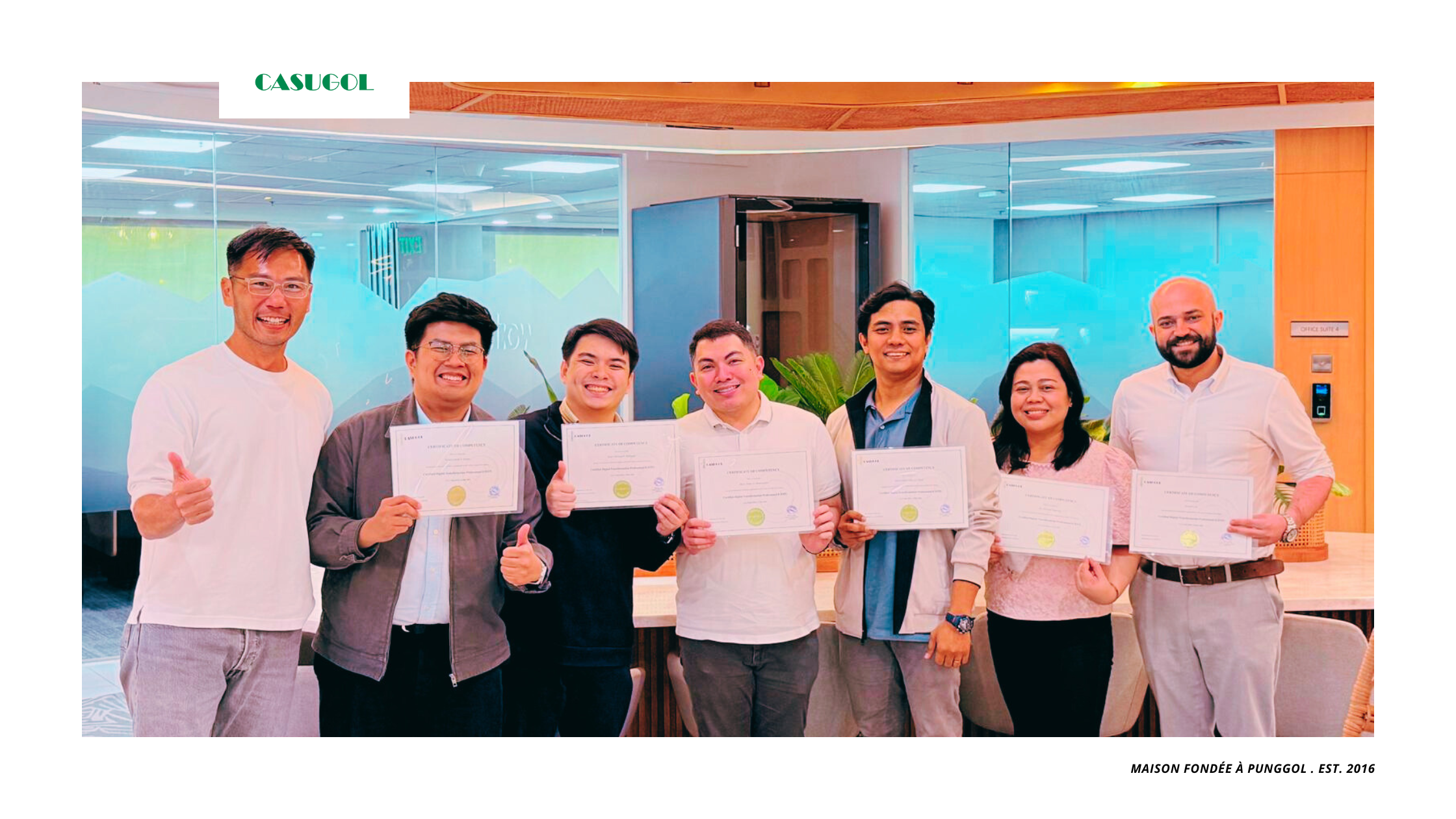
All Casugol courses involve extensive hands-on exercises / practical, rigorous usage of real-time case studies, hands-on exercises and group discussion |
Discover More
Discover more articles on Programming / Developments.
Making education, knowledge and resources accessible to everyone has always been our commitment.
Through Certified Training Partner (CTP) network, programs are now available in 38 countries.
Contact us at hello@casugol.com for more information.

CASUGOL continuously engage with distinguished leaders, scholars and researchers in the academia around the world.
Their contribution as an Academic Partner / Contributor and active participation in our International Advisory Committee (IAC) shapes the designing of our programs to incorporate the latest research findings on frontier technologies.
Contact us at hello@casugol.com for more information.
To ensure that our programs are based on the latest and future industry trend, and best practices, CASUGOL welcomes Industry Leaders from around the world who joined us Industry Partners / Contributors in the spirit of knowledge sharing.
Contact us at hello@casugol.com for more information.